


CVD Diamonds in Baytown: Prices, Value and How to Buy

A diamond grown in a laboratory is still a real diamond. CVD diamonds in Baytown have the same essential material identity as mined diamonds. CVD describes how the crystal is grown, not a different kind of stone.
It’s understandable to wonder whether a lab-grown diamond is “real” when it has a different origin from a mined gem. That distinction matters, but it doesn’t make one a diamond and the other an imitation. This guide explains what CVD means, what influences a stone’s price, and how to assess its cut, color, clarity, and grading documentation. It also compares lab-grown and mined diamonds so you can weigh their differences against what matters most to you.
We’ll begin with the benefits of lab-grown diamonds, then cover pricing factors and practical evaluation points before comparing CVD and mined stones. The goal is to make your choice clearer, whether you’re considering a special occasion or simply exploring your options.
Table of Contents
Benefits of lab-grown diamonds
A CVD diamond is a real diamond, not a simulant made to imitate one. CVD stands for chemical vapor deposition, a method that grows a diamond crystal in a controlled chamber. The resulting stone is made of carbon arranged in a diamond structure, like a natural diamond formed within the Earth. The origin differs, but its identity as a diamond does not. This distinction helps buyers compare stones based on what matters to them, rather than assuming “lab-grown” means fake.
One practical benefit is price. CVD and HPHT lab-grown diamonds are usually 50% to 80% cheaper than natural diamonds, which can give a buyer more room to prioritize carat size, cut, or setting design. For example, someone choosing an engagement ring might compare a larger lab-grown stone with a smaller mined stone at a similar budget. The useful comparison is not size alone. Cut quality and the way a stone looks in its setting also shape its appeal.
Lab-grown diamonds also share diamond’s hardness: CVD diamonds measure 10 on the Mohs scale. That makes hardness a material property they share with mined diamonds, not a special advantage exclusive to either origin. A diamond can still chip if struck in the wrong place, so hardness doesn’t mean indestructibility. For daily-wear jewelry, the setting and the stone’s exposed edges matter alongside the gem itself. A secure design helps protect the crystal during ordinary wear.
Brilliance comes from how light interacts with a diamond’s cut and proportions, not simply from whether it was grown or mined. CVD diamonds have a refractive index of 2.42, the same value associated with diamond’s light-bending behavior. A well-cut stone can return light attractively, while a poorly proportioned one may look less lively. No grade makes a diamond universally perfect; viewing the stone’s appearance and understanding its cut help make the choice personal.
The growth method is another point to consider. CVD starts with a diamond seed, then carbon forms a crystal layer by layer inside a chamber. HPHT uses high pressure and heat instead. Both methods produce grown diamonds, but the processes differ. For buyers, that difference may support a preference for a laboratory-grown origin while preserving the qualities they value in a diamond. Compare each stone’s grading details and appearance, then consider how its origin matters to you.
CVD diamond affordability and pricing
A CVD diamond’s price reflects more than its growth method. Carat weight, cut, color, clarity, shape, and grading documentation all affect how it compares with other options. The setting also matters when you’re comparing finished rings rather than loose stones. To assess value, consider the diamond’s characteristics separately from the metal and workmanship around it. That makes it easier to understand what a quoted price includes.
Start with carat weight, but don’t treat it as a complete measure of value. Two diamonds with the same carat weight can differ in visual spread, sparkle, and clarity. For example, a well-proportioned round stone may look brighter than a poorly cut stone of equal weight. Color and inclusions also influence the overall appearance. Compare the grading details with the stone itself, rather than choosing by carat alone.
Cut matters because it affects how light travels through the diamond and returns to the eye. A round stone’s cut grade can help with comparisons, while fancy shapes call for a closer look at proportions and finish. Shape also changes how carat weight appears: an elongated outline can look different from a round one at the same weight. Consider the setting, too, since the prongs and surrounding design affect the finished look.
CVD means chemical vapor deposition, a growth process that forms a diamond crystal in a chamber. The process uses controlled conditions, including temperature, but the method alone doesn’t determine a stone’s retail value. Buyers still need to compare the individual diamond’s color, clarity, cut, and grading information. “Synthetic” is sometimes used to describe a laboratory-grown origin; it doesn’t replace the specific quality details needed to evaluate a stone.
For a useful comparison, line up stones with similar carat weight, shape, cut quality, color, and clarity. Then compare their grading documents and appearance under similar lighting. If one diamond has more visible inclusions or a weaker cut, a lower price may reflect those trade-offs rather than a bargain on an otherwise identical stone. Check whether you’re comparing loose diamonds or finished jewelry, since a ring also includes its setting and design.
Think of value as a balance between appearance, documented characteristics, and what you’re comfortable spending. A larger CVD stone may suit someone who prioritizes size, while another buyer may prefer a smaller stone with a higher cut grade. For an engagement ring, compare the center diamond and setting as separate choices before considering the finished piece. This makes the trade-offs clearer without relying on a single price figure.
Buying and evaluating CVD diamonds
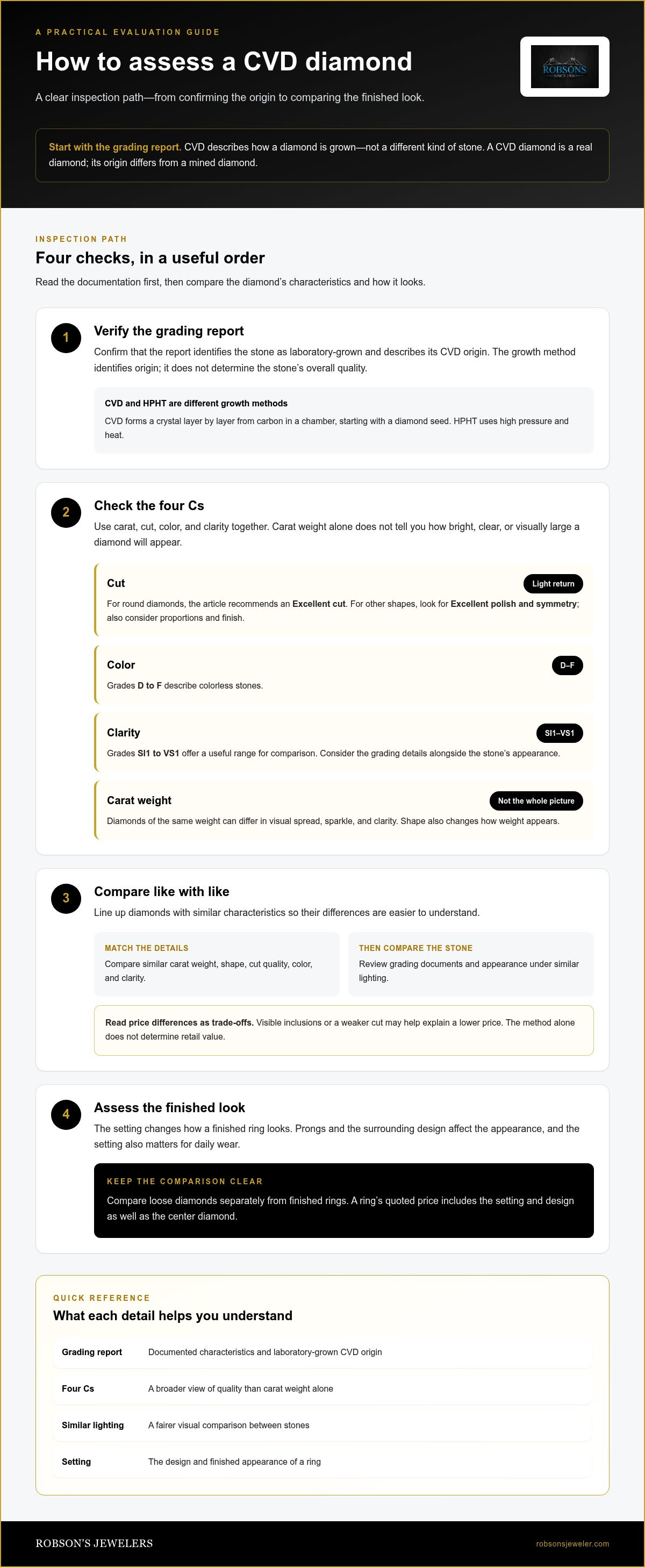
Start with the grading report, then compare its details with the diamond itself. Confirm that it identifies the stone as laboratory-grown and describes its CVD origin. A CVD diamond starts with a diamond seed placed in a chamber, where carbon forms a crystal. HPHT diamonds are created through a different process. For shoppers comparing CVD diamonds in Baytown, the growth method identifies origin, not the stone’s overall quality.
Use the four Cs to assess each stone. For round diamonds, the research recommends an Excellent cut; for other shapes, look for Excellent polish and symmetry. Color grades D to F describe colorless stones, while clarity grades SI1 to VS1 offer a useful range for comparison. These grades don’t guarantee that one diamond will look better than another. Review the report and the stone’s appearance together.
Look at the diamond face-up and from the side. A report records characteristics, but viewing helps you judge color, inclusions, and proportions. For example, a 2.03-carat H VS1 CVD diamond has been described as showing brown color in profile. That example illustrates why a face-up view alone may not reveal every visible feature. Compare the diamond under different lighting conditions when assessing its appearance.
Growth method provides context, but it doesn’t replace quality assessment. CVD diamonds tend to be produced in the 1-2.5 carat range with G-I color, while a D-F stone weighing over 2 carats is more likely to be HPHT-grown. These are tendencies, not substitutes for a report identifying the stone’s origin. A CVD diamond can still vary in cut, color, clarity, and appearance.
Resale value and durability are separate considerations. CVD diamonds have a hardness of 10 on the Mohs scale, but resale value depends on the stone’s quality, documentation, and market conditions when sold. A grading report helps identify what you purchased; it doesn’t set a future resale price. Keep the report with your jewelry records to make the stone’s details easier to reference later.
For jewelry worn regularly, consider the setting as well as the diamond. Prongs, edges, and the way the stone is placed affect how protected it is during everyday wear. Have a professional jeweler check the setting regularly. If you’re comparing CVD diamonds in Baytown for a ring, include the mounting in your evaluation, since it can loosen or wear independently of the diamond.
Before choosing, compare stones with similar shape, carat weight, color, and clarity. Then consider cut, grading details, visible appearance, and setting together. This side-by-side approach helps distinguish a difference in origin from differences in each diamond’s qualities.
Choosing between CVD and mined diamonds
Both CVD and mined diamonds are diamonds, with carbon arranged in the same crystal structure. Their origins differ: one grows in a laboratory, while the other forms naturally over billions of years. That distinction may influence your personal preference, but it doesn’t make a CVD stone a simulant. “Synthetic diamonds” is sometimes used for laboratory-grown stones; the term describes their origin, not a different material such as cubic zirconia.
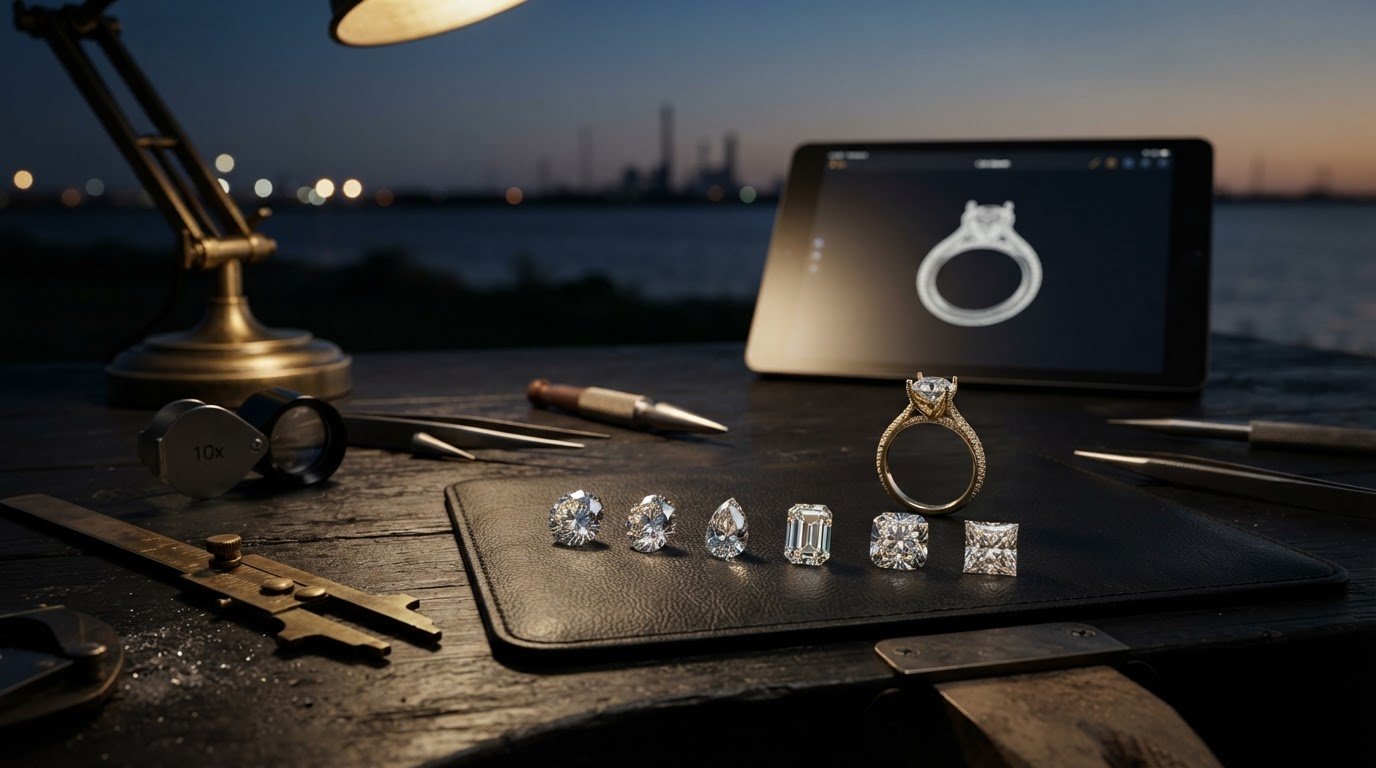
For a useful comparison, look at the individual stones rather than treating origin as a quality grade. Compare cut, color, clarity, carat weight, shape, and grading details. Diamonds can look different in person even when their grades are similar, particularly when their shapes or proportions differ. For example, a round stone and an oval stone with the same carat weight won’t necessarily have the same face-up appearance. Both the report and the stone’s visible qualities matter.
Price can also shape the decision. CVD diamonds can cost 30-50% less than mined diamonds of equivalent quality. That difference may let you prioritize a larger stone, a particular shape, or a setting that suits your taste. It doesn’t mean every CVD diamond is a better value than every mined diamond. Compare like with like: match the grading characteristics and then consider what the price difference means for your priorities.
Origin may matter for reasons beyond appearance. A mined diamond’s natural formation over billions of years can appeal to someone who values geological history. Another buyer may prefer a laboratory-grown stone, created from a diamond seed in a controlled chamber. Neither preference changes the diamond’s essential material properties. Consider which story feels right for the occasion, then weigh that choice alongside appearance and budget.
Use these questions to clarify your priorities:
Appearance: Which stone’s cut, color, clarity, and shape appeal most when viewed side by side?
Budget: Would the CVD price difference help you choose a larger stone or another feature you value?
Origin: Does natural formation over billions of years matter to your choice, or do you prefer laboratory growth?
Documentation: Do the grading details identify each stone clearly enough for an informed comparison?
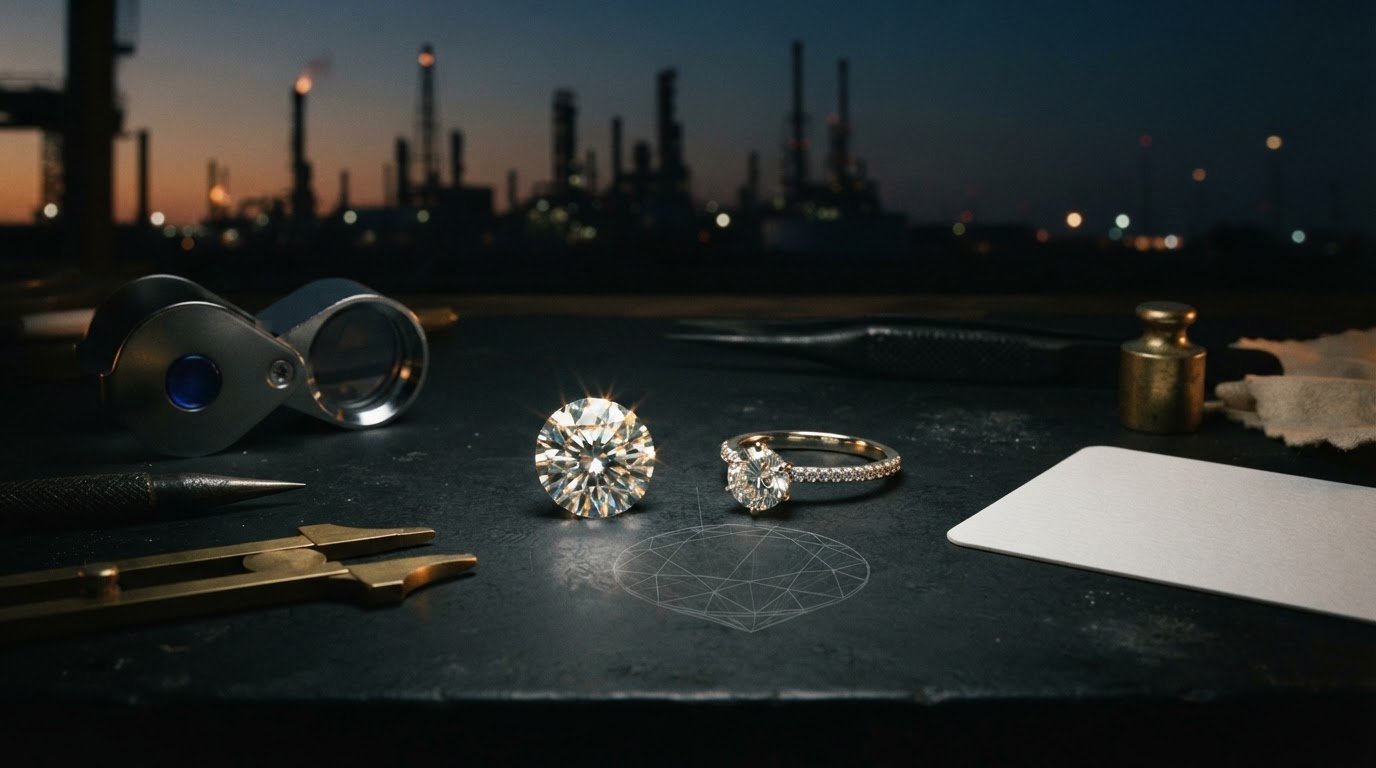
For an engagement ring, picture each diamond in the setting you have in mind. A slender band can make a center stone feel more prominent, while a detailed setting changes the overall impression. Compare CVD and mined diamonds under similar lighting, and review their reports before deciding. The best fit is the stone whose documented qualities, appearance, origin, and price align with what you want the ring to represent.
Can I buy CVD diamonds online and have them shipped to Baytown, Texas?
Yes, you can buy a CVD diamond online for delivery to Baytown if the seller ships to your address. Shipping availability, delivery timing, and return terms vary by seller, so read the order details before purchasing. A listing alone doesn’t establish whether a particular stone can be delivered to your location. Confirm the destination and delivery terms in the seller’s checkout information.
Begin with the listing’s grading report. Check that it identifies the diamond as laboratory-grown and gives its carat weight, color, clarity, cut, and shape. For example, matching the grades of two round stones makes the comparison more meaningful. Review the report number and listed characteristics alongside the product description. This helps you understand exactly which diamond the listing describes.
Photos and videos can help you judge appearance, but they have limits. Screen brightness, image editing, and lighting can affect how a stone looks online. Compare several views, including face-up and profile images, if available. A profile view can reveal color that a face-up photograph may not show clearly. For an engagement ring, also consider how the center stone’s shape and proportions will look with the setting.
Read the purchase terms before placing an order. Look for the stated return period, conditions for returning the diamond, and whether it is sold loose or set in jewelry. Keep the product description and order confirmation. These records help you compare what arrives with the stone you selected, including its grading details and setting, if applicable.
Plan for delivery when making a valuable purchase. Check that the destination address is correct, and review how the seller describes delivery and receipt. If the diamond is being sent separately from a ring setting, consider how the separate orders affect your plans. For a proposal date, don’t assume an estimated delivery window guarantees arrival on a specific day.
After delivery, compare the diamond and its documentation with the listing. Review its shape, visible color, and setting, then keep the grading report and purchase records together. If you’re unsure how the stone will look in a particular design, seeing loose lab-grown and mined diamonds side by side can make the differences easier to assess. You can explore diamond options before deciding which origin and appearance suit your plans.
Robson's Jewelers: Engagement Rings
Robson's Jewelers helps you turn diamond research into a considered engagement ring choice. Explore loose lab-grown diamonds and engagement rings, comparing each stone’s documented qualities with the style and meaning you want the ring to carry. If you have a design in mind, custom jewelry design can shape the piece around your preferences. Jewelry repair can also help care for a cherished ring that needs attention.
Consider reaching out when you’re ready to compare diamond options, plan a custom design, or discuss an engagement ring. Bring the details that matter to you, such as preferred shape, appearance, and whether you’re considering a lab-grown stone. Visit Robson's Jewelers online to continue exploring your options.
Choose a diamond that feels right for your next chapter
A meaningful ring is more than a set of specifications. It’s connected to a story, a person, and a moment you want to remember. If you’re considering CVD diamonds in Baytown, picture how your preferred stone will come together with a setting and personal style. That vision can guide your next conversation and help turn research into a choice that feels distinctly yours.
Robson's Jewelers offers engagement rings and custom jewelry design for those shaping a piece around a milestone. If you have a cherished ring that needs attention, the store also provides jewelry repair. Explore your ideas, preferences, and design possibilities at a pace that feels comfortable.
Contact Robson's Jewelers to talk about your next step. Your diamond choice can become the beginning of a piece you’ll treasure.
Frequently Asked Questions
But are they real?
Yes, CVD diamonds are real diamonds, not look-alike simulants. Their carbon crystal structure gives them the essential identity and material properties of diamond; the difference is their laboratory-grown origin. For example, a CVD diamond can be used as the center stone in an engagement ring just like a mined diamond. Its grading details and individual appearance still matter when comparing stones.
How do you identify a CVD diamond?
A grading report can identify a diamond as laboratory-grown and describe its growth origin. Appearance alone generally can’t establish whether a stone is CVD-grown or mined, since both are diamonds. A standard diamond tester can help distinguish diamond from some simulants, but it doesn’t establish the stone’s origin. For a loose stone, compare its report details with the diamond and keep the documentation with your jewelry records.
How much do CVD lab diamonds cost?
There isn’t one fixed price for every CVD lab diamond. The amount depends on the stone’s carat weight, cut, color, clarity, shape, and grading documentation. A loose diamond and a completed ring aren’t direct price comparisons, since a ring includes its setting. Compare stones with similar grading characteristics first, then consider how the setting and design affect the finished piece.
Are CVD diamonds affordable?
CVD diamonds can be an affordable option for buyers weighing size and quality against a budget. Their price varies with the diamond’s grading characteristics, so compare stones rather than relying on the growth method alone. A buyer choosing a center stone might prioritize shape, cut, or carat weight within their budget. The best value is the combination of appearance and qualities that matter to you.
Are CVD diamonds treated?
Some CVD diamonds receive post-growth treatment, while others don’t. Treatment can affect a stone’s color, so the grading report and its treatment disclosure are important when evaluating a particular diamond. If two stones have similar color grades, for example, reviewing their reports can show whether treatment is noted. Consider the disclosed details alongside the diamond’s visible appearance, rather than assuming every CVD stone received the same process.
What should I look for when buying CVD diamonds?
Start with the grading report, then compare its details with the stone’s appearance. Look at cut, color, clarity, carat weight, and shape together. For example, a round diamond and an oval diamond can have different face-up appearances even at the same carat weight. If you’re choosing a ring, consider how the stone’s proportions will sit in the setting and whether the design suits the wearer’s style.
Are there CVD diamond retailers or jewelers in Baytown, Texas?
Yes. Robson's Jewelers offers loose lab-grown diamonds, engagement rings, and custom jewelry design in Baytown. These options suit shoppers planning a ring or exploring a loose stone for a custom piece. The store serves Baytown and nearby communities, including Mont Belvieu, Seabrook, La Porte, and Dayton. Comparing stone characteristics with your intended design can help narrow down what to explore.
What are the prices of CVD diamonds at Baytown-area jewelers?
Prices vary with a diamond’s carat weight, cut, color, clarity, shape, and grading documentation. A loose stone also differs from a finished ring, which includes its setting and design. Robson's Jewelers offers loose lab-grown diamonds and engagement rings in Baytown, and each diamond’s characteristics affect its price. For a meaningful comparison, consider stones with similar grading details and compare loose diamonds separately from finished jewelry.
Comments